A guide to 12 common natural food preservatives, from nisin and catechin to citric acid and natamycin, with notes on safe use
Natural food preservatives are substances extracted from plant or animal tissue or produced by microorganisms, usually acids formed during natural fermentation. Some spices and foods found in nature are also very good at preserving food. Let Vinh Nam Anh walk you through 12 of the most common natural preservatives in use today!

Nisin is a cyclic antibacterial peptide produced by Streptococcus lactis and made up of 34 amino acid residues. Didehydroalanine (DHA), lanthionine (Lan), methyllanthionine (MeLan) and didehydroaminobutyric acid (Dhb) are the common amino acids in the nisin molecule.
Mechanism and uses: Nisin strongly inhibits the growth of spoilage and pathogenic microorganisms such as Bacillus, Bacillus thermophilus and Clostridium. In animal husbandry, nisin belongs to the group of antimicrobial agents. Nisin E234 is considered safe and heat-stable for food preservation. When it enters the body, digestive enzymes in the stomach can break it down quickly.

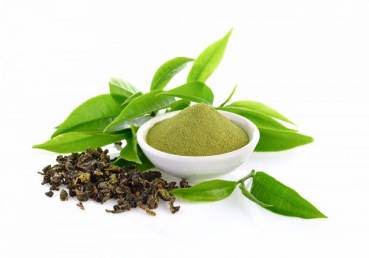
Catechin is an antioxidant found mostly in fresh green tea leaves and, in smaller amounts, in foods such as chocolate, red wine, strawberries and apples. Catechin comes in four forms with different properties: epigallocatechin (EGC), gallocatechin (GC), catechin (C) and epicatechin (EC).
In food, all four forms of catechin preserve food very well because they have vitamin P activity and can neutralise free radicals, strengthening the antioxidant properties already present in foods such as vitamin E and vitamin C. Catechin can activate enzymes and reduce fat absorption. By inhibiting the enzyme catechol-O-methyl transferase (COMT), it stimulates heat production and speeds up metabolism, so catechin in green tea is thought to help with weight management. Catechin is also being studied for health-supporting effects, for example supporting heart health and lowering blood cholesterol.

Our ancestors have long used salt to preserve meat, fish and shrimp that were not eaten right away after hunting, to store food.
When table salt (NaCl) is added to food, it draws water out of the food and creates a harsh environment that causes osmotic shock to microorganisms. It therefore inhibits spoilage bacteria and protects food from yeasts and moulds.
Besides being a seasoning for everyday meals, sugar is also a natural preservative. It can inhibit bacterial growth, create conditions for lactic acid bacteria to work, and slow the oxidation of fats to prevent rancidity. This is why fruit preserved in sugar in a sealed jar can be kept for a long time without spoiling.
Lemon juice is rich in citric acid and ascorbic acid, two substances commonly used to preserve many kinds of food. These two acids help stop spoilage microorganisms from growing in food.

Honey is known to be very stable and can resist microbial growth thanks to its low moisture and low pH together with antibacterial components. "Propolis" is a mixture of beeswax and resins collected by honey bees.
Because of its antibacterial effect, honey is often used to steep foods such as lemons, hawthorn, garlic and ginseng to make folk remedies or nourishing drinks.
Cooking oil can slow oxidation and keep microorganisms away from food.
Submerging fried, cooked meat in cooking oil has long been used by highland ethnic minority communities to store food during cold winters. Today, if you do not have a refrigerator and want to keep meat, sausage or fried rolls tasting good for up to half a day, you can submerge them in cooking oil to form a protective layer that keeps bacteria in the air and surroundings away from the food. Note: this method only works for a short time; the food must be cooked thoroughly, kept in clean containers and refrigerated whenever possible.
Citric acid (also called lemon acid) is a very common natural preservative. It is found in large amounts in citrus fruits and berries. It is a preservative, antioxidant and acidity regulator widely used in the food industry, especially in beverages, fruit products, pickled vegetables and confectionery.
Citric acid is abundant in citrus fruits. In plant materials, citric acid and malic acid usually occur together and have a mild sour taste, so they are often used to adjust flavour in fruit and vegetable products and confectionery. In industry, citric acid used to be made from lemons; today it is produced from molasses by citric acid fermentation.
Recent research by scientists in Brazil points to an important role for casein as an antioxidant in beef and poultry products. Casein is abundant in cow’s milk.
"Karina Rossini and colleagues at the Federal University of Rio Grande do Sul in Brazil showed that during hydrolysis, casein produces peptides that can prevent the spoilage of meat products through their natural antioxidant properties, thereby preventing unwanted odours in food and extending the shelf life of meat and meat products." (1)
When tested on deboned beef and poultry, the researchers found that the casein-derived peptides were effective at preventing fat oxidation and limiting the formation of peroxides. For beef the effect reached almost 100%, and for poultry 21%.

Natamycin (E235), also known as pimaricin or Natacyn, is a natural anti-mould agent that is safe when used at the right level for the right food. Its antifungal properties are clear and stable across a wide pH range.
Natamycin E235 preserves food against mould by inhibiting or deactivating enzyme activity, paralysing the metabolism of mould cells and creating osmotic pressure that dehydrates the microorganisms until they die. The usage level of E235 ranges from 6 to 40 mg/kg depending on the food group. (2)
Malic acid is found in most fruits in nature and takes part in the fruit’s metabolism. Unripe fruits such as green apples, peaches and green tomatoes contain a lot of malic acid.
In the food additive industry, malic acid is extracted as a liquid that dissolves readily in water. Malic acid is a preservative additive that inhibits bacteria and also improves aroma and adjusts acidity. According to Circular 24 of the Ministry of Health on the management and use of food additives (pages 93–94), E296 malic acid belongs to the group of additives used under Good Manufacturing Practice (GMP) in certain food groups.
Sodium diacetate is a 1:1 mixture of sodium acetate (E262i) and acetic acid (vinegar – E260). The acetate salts of vinegar all have a food-preserving effect.
These are 12 of the most common natural food preservatives. We hope this information is useful to our readers.
Vinh Nam Anh supplies additives that have completed the required registration procedures and meet the Ministry of Health’s criteria, at competitive prices. To receive advice and a quotation, please contact:
+84 916 348 319 (Hotline)
+84 919 122 123 (Hong)
See more in the product catalog of Vinh Nam Anh