Sodium Lauryl Ether Sulfate (SLES) is the main foaming and cleansing agent in shampoos, shower gels, dishwashing liquids and laundry detergents. This guide explains what SLES is, whether it is safe, how it differs from SLS, which one to choose for each product, how to dilute SLES 70% correctly and what to check when buying.
Contents
Sodium Lauryl Ether Sulfate (SLES, also called sodium laureth sulfate) is an anionic surfactant with strong foaming and effective cleansing power. It is widely used in cosmetics, detergents and many other industries.
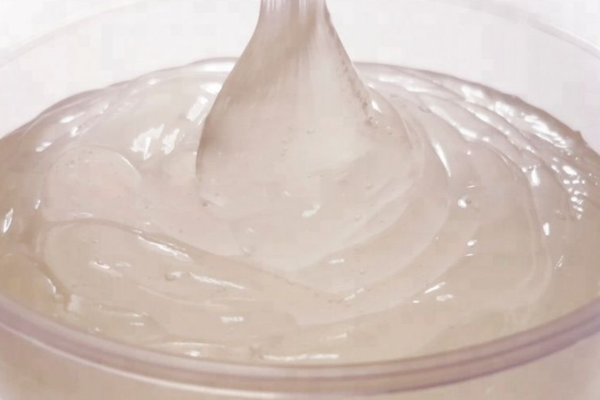
| Feature | Description |
| Full name | Sodium Lauryl Ether Sulfate (sodium laureth sulfate) |
| Chemical formula | CH3(CH2)11(OCH2CH2)nOSO3Na |
| Chemical class | Anionic surfactant |
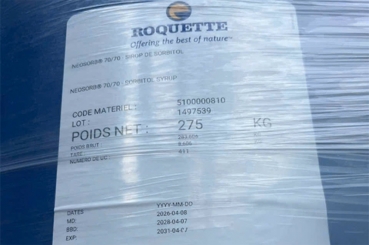
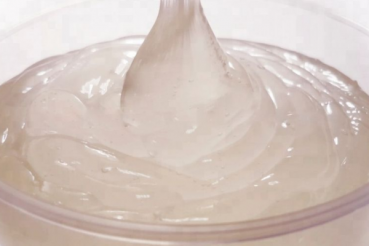
| Commercial forms | Paste (70%) or liquid (25–28%), white to pale yellow, easily soluble in water |
| Function | Good foaming, removes oil and dirt |
SLES is made from lauryl alcohol (usually from palm or coconut oil), which is ethoxylated with ethylene oxide, then sulfated and neutralized. It is a milder variant of Sodium Lauryl Sulfate (SLS), with less skin irritation.
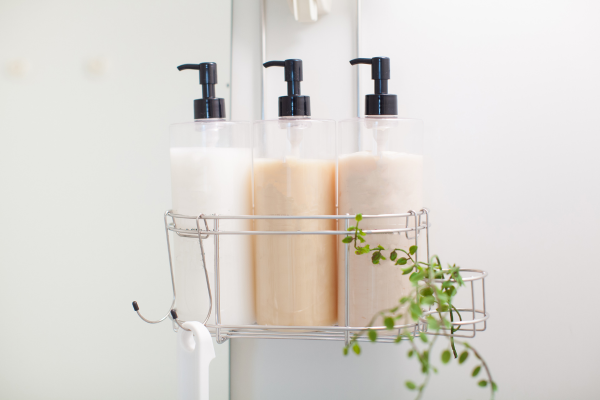
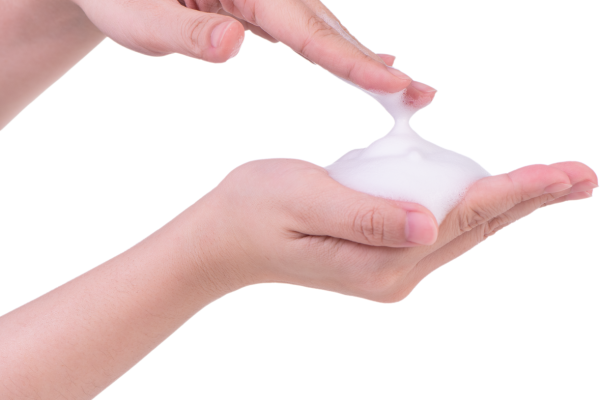
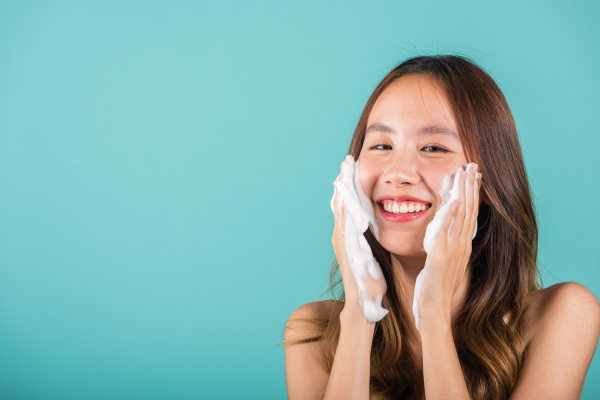
It is the main ingredient in shampoos, facial cleansers and shower gels; it is used in dishwashing liquids and laundry detergents; and it is applied in textiles, leather and polymer production.
| Property | Description |
| State | Viscous paste (70%) or liquid (25–28%) |
| Color | Clear, white or pale yellow |
| Odor | Faint or odorless |
| Solubility | Readily soluble in water |
| pH | About 6–8 (at usual concentrations) |
| Biodegradability | Readily biodegradable |
| Industry | Use of SLES |
| Textiles | Cleans fibers before dyeing for even, durable color |
| Paper | Assists surface treatment for softer, printable paper |
| Metalworking | Component of degreasing solutions |
| Paints and inks | Helps disperse ingredients evenly and prevents lumps |
SLES (Sodium Lauryl Ether Sulfate) and SLS (Sodium Lauryl Sulfate) have similar names and both foam and clean, but they differ in structure and use. SLES is ethoxylated before sulfation, which makes it milder and more soluble than SLS.
| Criteria | SLES | SLS |
| Other names | Sodium laureth sulfate | Sodium dodecyl sulfate, K12 |
| Commercial form | Paste 70% or liquid 25–28% | Powder, granules or needles 92–95% |
| Mildness | Milder, less drying and irritating | Stronger cleansing, more drying |
| Foam | Rich, fine, stable | Very high, strong |
| Thickening with salt | Very good, easy viscosity control | Weaker |
| Typical use | Shampoo, shower gel, dishwashing liquid, laundry liquid | Toothpaste, washing powder, strong detergents, effervescent tablets |
See each product: SLES 70% · SLS (Sodium Lauryl Sulfate).
In practice, many formulas use SLES as the primary foaming agent and add a mild co-surfactant to reduce irritation. Typical choices (dosages are for reference only; always run trials with your own formula):
| Product | Use | Typical SLES 70% dosage (reference) | Notes |
| Shampoo, shower gel | SLES | About 10–20% of formula | Add CAB 35 for mildness and foam; thicken with salt |
| Facial cleanser, sensitive-skin products | Low SLES or sulfate-free | About 5–10% | Combine with mild surfactants (APG, CAB 35) |
| Dishwashing liquid | SLES (may blend with LAS) | About 15–25% | High foam, strong degreasing |
| Laundry liquid, floor cleaner | SLES | About 10–20% | Blend with other detergents as needed |
| Toothpaste, washing powder, effervescent tablets | SLS | – | Needs a dry powder form and strong cleansing |
See also: CAB 35 · Decyl Glucoside (APG) · CDE 90.
| Mistake | Result | Fix |
| Pouring water into SLES 70% or adding SLES too fast | SLES turns into a thick gel and lumps that are hard to dissolve | Add SLES to water slowly with continuous stirring, use warm water |
| Too much salt | Product thickens then thins again, may separate | Add salt gradually and stop at the target viscosity |
| SLES concentration too high | Dry, irritated skin and higher cost | Use the right dosage, add CAB 35 or APG |
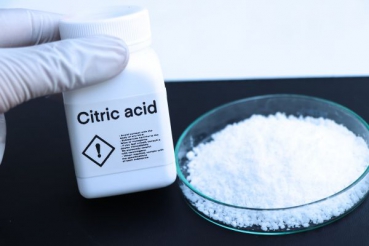
| No pH adjustment | Irritation or poor stability | Adjust pH to about 6–7 with citric acid |
| Stirring too fast | Lots of trapped air bubbles | Stir at moderate speed and let the foam settle |
For pH adjustment see Citric acid monohydrate.
Vinh Nam Anh imports SLES 70% and SLS directly, with stock in our Ho Chi Minh City warehouse, full COA and CO, and basic formulation support.
SLES (Sodium Lauryl Ether Sulfate, sodium laureth sulfate) is an anionic surfactant that foams and cleans, the main ingredient of shampoos, shower gels, dishwashing liquids and laundry detergents.
SLES is widely used and safe at proper concentrations in rinse-off products. At high concentrations it may dry or irritate sensitive skin and eyes, so dilute correctly and rinse well.
SLES is ethoxylated, making it milder, more soluble and easier to thicken than SLS. SLS cleans more strongly and comes as powder or needles, typically used in toothpaste and washing powder.
As a strong cleanser, SLES can make hair color fade faster with frequent washing. Many color-care shampoos therefore use sulfate-free formulas or combine SLES with mild surfactants such as CAB 35.
From lauryl alcohol (usually from coconut or palm oil) in three steps: ethoxylation, sulfation and neutralization with caustic soda (NaOH).
It is a concentrated raw material for making shampoos, shower gels, dishwashing liquids, floor cleaners and laundry liquids. Dilute with water according to the formula and add salt to build viscosity.
Vinh Nam Anh imports SLES 70% and SLS with stock in Ho Chi Minh City, nationwide delivery and full COA, CO. Phone: +84 916 348 319 (Hotline) – +84 919 122 123 (Ms. Hong).
Sodium Lauryl Ether Sulfate (SLES) is a widely used surfactant in cosmetics, detergents and many industries thanks to its foaming and cleansing performance. For safe and effective use, follow the right dosage, dilution method and storage conditions.
Vinh Nam Anh supplies imported SLES 70% and SLS (Sodium Lauryl Sulfate), in stock in Ho Chi Minh City with nationwide delivery and full COA, CO. Phone: +84 916 348 319 (Hotline) – +84 919 122 123 (Ms. Hong) – sales-admin@vinhnamanh.com.vn for a quotation.