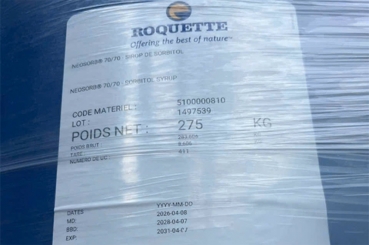
Paraffin is found in moisturizers, ointments, candles, MDF boards, moisture-proof paper and on plastics and rubber production lines. This article explains what paraffin is, whether it is an oil or a wax, how it is made, what it is used for, whether it is safe and how to choose the right type.
Contents
- What is paraffin?
- Is paraffin an oil or a wax? Types of paraffin
- How is paraffin made?
- Paraffin oil vs. paraffin wax
- Paraffin grades: industrial, cosmetic, pharmaceutical
- What is paraffin used for?
- Is paraffin safe?
- How to choose the right paraffin
- Frequently asked questions
1. What is paraffin?
The word paraffin has two meanings:
- In chemistry: paraffin is another name for alkanes – saturated hydrocarbons with the general formula CnH2n+2, such as methane, ethane and propane. The name comes from the Latin "parum affinis" ("little affinity"), because these compounds are chemically very stable.
- In industry and daily life: paraffin is a mixture of saturated hydrocarbons separated and refined from petroleum. Depending on chain length it is either a liquid (paraffin oil) or a solid (paraffin wax). When people talk about "buying paraffin", "paraffin in cosmetics" or "paraffin candles", this is the meaning.
Refined paraffin is colorless or white, odorless, tasteless, insoluble in water, chemically inert and highly pure, which is why it is used everywhere from pharmaceuticals and cosmetics to heavy industry.
2. Is paraffin an oil or a wax? Types of paraffin
| Type |
Other names |
State |
Main uses |
| Paraffin oil |
Liquid paraffin, white oil, mineral oil, paraffinum liquidum |
Clear liquid |
Pharmaceuticals, cosmetics, lubrication, plastics, rubber |
| Paraffin wax |
Candle wax |
White solid |
Candles, wood waterproofing, paper, rubber |
| Petrolatum |
Petroleum jelly, vaseline |
Semi-solid |
Ointments, lip balms, skin protectants |
| N-paraffin |
Normal paraffin |
Liquid |
Solvents, raw material for detergents |
In the market, "paraffin" usually means paraffin oil or paraffin wax, explained in detail below.
3. How is paraffin made?
- Crude oil distillation: petroleum is split into fractions, including lubricating oil fractions rich in paraffins.
- Dewaxing: chilling and solvents separate the solid wax from the oil.
- Refining the oil: hydrotreating or acid treatment removes aromatics, sulfur and impurities, giving clear, odorless paraffin oil (white oil).
- Refining the wax: residual oil, color and odor are removed, giving semi refined or fully refined paraffin wax.
The higher the refining level, the cleaner the product and the better suited it is to demanding uses such as pharmaceuticals and cosmetics.
4. Paraffin oil vs. paraffin wax
| Criteria |
Paraffin oil |
Paraffin wax |
| State |
Clear, viscous liquid |
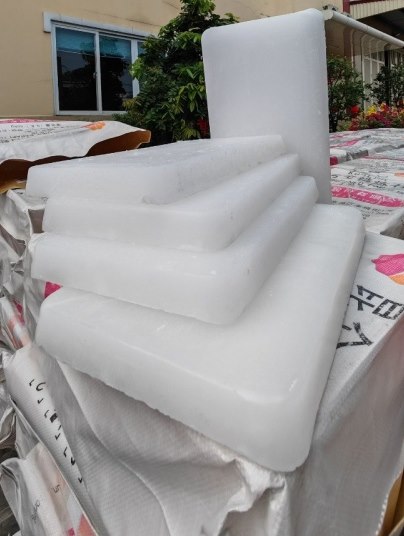
White solid slabs or pellets |
| Carbon chain |
Shorter |
Longer (about C20–C40) |
| Melting point |
Liquid at room temperature |
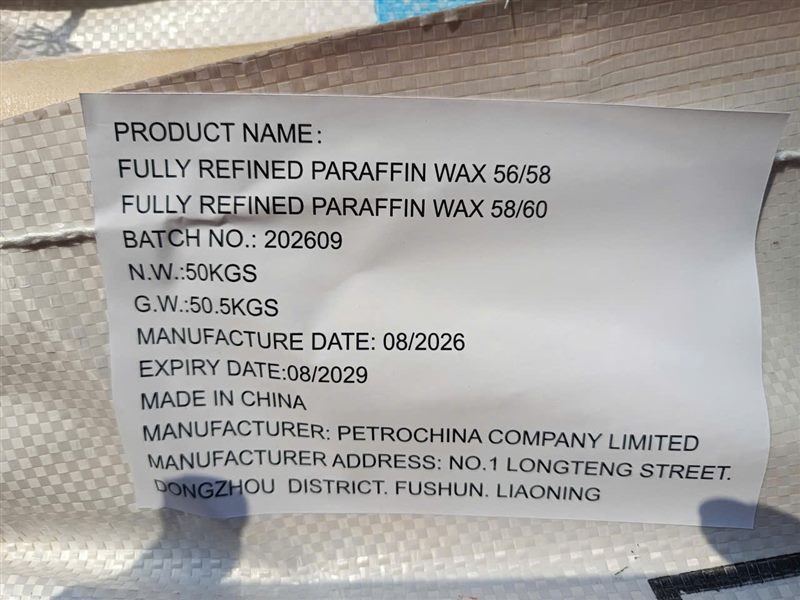
About 46–68°C (commonly 56/58, 58/60°C) |
| Classified by |
Viscosity: light, heavy |
Refining: fully refined, semi refined |
| Main uses |
Excipients, cosmetics, lubrication, plasticizing |
Candles, MDF waterproofing, paper, cartons, rubber |
| Typical packing |
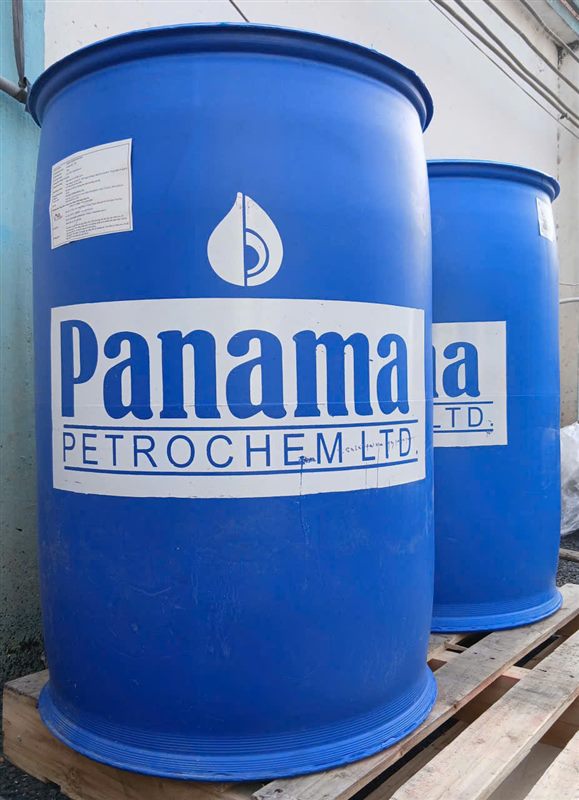
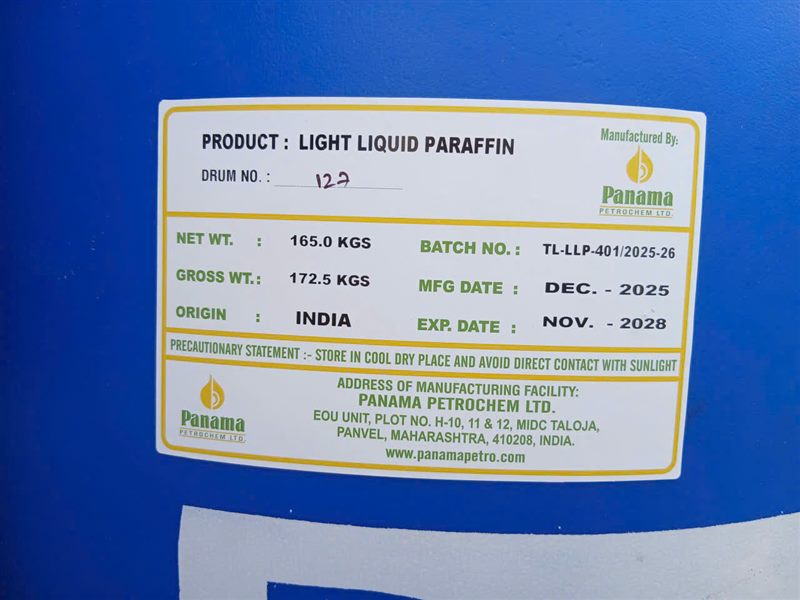
165–175 kg drums |
50 kg bags |
See each product: Light Liquid Paraffin Oil (India) · Fully Refined Paraffin Wax.
5. Paraffin grades: industrial, cosmetic, pharmaceutical
| Grade |
Characteristics |
Used for |
| Industrial (technical) |
Basic refining, may have slight odor or color |
Candles, waterproofing, rubber, machine lubrication |
| Cosmetic |
High purity, colorless, odorless |
Moisturizers, massage oils, lip balms, hair waxes |
| Pharmacopoeia (BP, USP, EP) |
Meets British, US and European pharmacopoeias; tested for aromatics, sulfur and acidity |
Excipients for ointments, creams, syrups, soft capsules |
For pharmaceutical or cosmetic use, always ask for a batch COA stating the standard met. For example, the paraffin oil Vinh Nam Anh imports from India has COAs complying with BP/USP/EP.
6. What is paraffin used for?
Pharmaceuticals and healthcare
- Paraffin oil is an excipient for ointments, creams, syrups and soft capsules, and is used in laxatives.
- Paraffin wax is used in physiotherapy: warm wax baths retain heat, relieve pain and loosen stiff joints.
Cosmetics
- Paraffin oil ("Paraffinum Liquidum" or "Mineral Oil" on labels) forms a moisture-retaining film and softens skin in creams, baby oils, make-up removers and lip balms.
- Paraffin wax adds firmness to lipsticks, hair waxes and balms, and is used in hand and foot wax treatments.
Industry
- Candles: paraffin wax is the most common candle material.
- Wood, paper, packaging: paraffin wax waterproofs MDF, paper and cartons.
- Plastics and rubber: paraffin oil as plasticizer and processing aid; paraffin wax protects rubber surfaces from cracking.
- Lubrication and release: paraffin oil for sewing and textile machines and mold release.
- Agriculture and veterinary: paraffin oil as solvent and carrier in some formulations.
7. Is paraffin safe?
Refined paraffin has low toxicity and is widely used in medicines, cosmetics and daily life. Safety depends on using the right grade in the right way:
Paraffin oil
- Pharmacopoeia grade is safely used in topical medicines and cosmetics.
- Do not drink it or use it for cooking unless prescribed; aspiration into the lungs (especially in young children) can cause pneumonia. Keep out of reach of children.
- Long-term use as a laxative may reduce absorption of some fat-soluble vitamins; use only as directed by a doctor.
Paraffin wax and candles
- Solid paraffin wax is nearly inert and rarely irritates skin.
- Burning candles produces soot and gases like any candle; burn them in a ventilated room and trim wicks. Fully refined wax burns cleaner than semi refined wax.
- Warm wax therapy requires temperature control to avoid burns; do not apply to open wounds.
Industrial paraffin
Industrial grades are for technical uses only and must not be used in food, pharmaceuticals or cosmetics.
8. How to choose the right paraffin
- Choose the form: liquid (oil) or solid (wax).
- Choose the grade: industrial, cosmetic or pharmacopoeia (BP/USP/EP).
- Choose the specification: viscosity (light/heavy) for oil; melting point (56/58, 58/60) and refining level (fully/semi) for wax.
- Ask for documents: batch COA, CO and invoice, from a supplier with stock for steady deliveries.
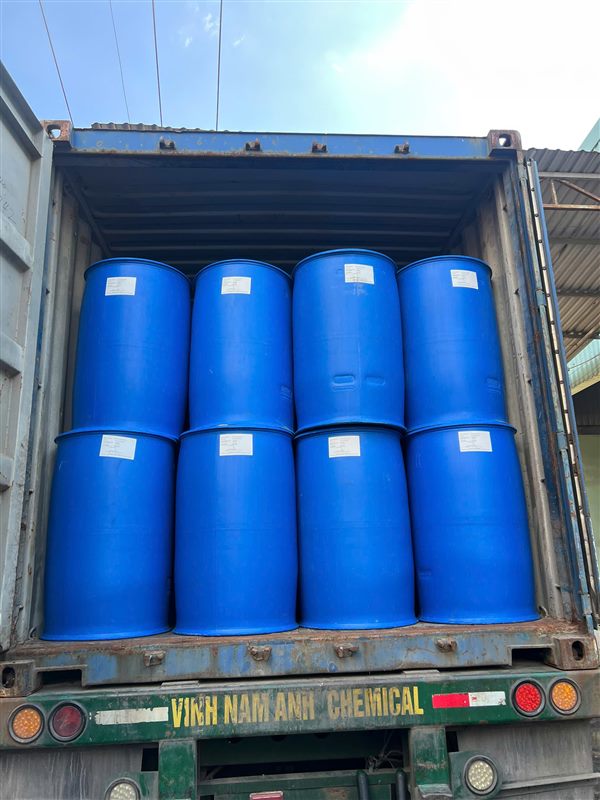
Vinh Nam Anh imports paraffin oil from India (165–175 kg drums, BP/USP/EP) and fully refined paraffin wax from China (50 kg bags), always in stock in our Ho Chi Minh City warehouse with nationwide delivery.
Contact us for a paraffin quotation:
- Phone: +84 919 122 123 (Ms. Hong) – Hotline: +84 916 348 319
- Email: sales-admin@vinhnamanh.com.vn
9. Frequently asked questions about paraffin
What is paraffin?
In chemistry, paraffin means alkanes (saturated hydrocarbons). In daily use, it is a mixture of hydrocarbons refined from petroleum, either a liquid oil or a solid wax.
Is paraffin an oil or a wax?
Both. Short-chain liquid paraffin is called paraffin oil; long-chain solid paraffin is called paraffin wax.
Is paraffin toxic?
Refined paraffin has low toxicity. Use the right grade (pharmaceutical, cosmetic, industrial), do not swallow it, keep it away from children and burn candles in a ventilated area.
What is paraffin wax made from?
Paraffin wax is separated during petroleum refining and then refined to remove oil, color and odor.
Are paraffin candles good?
Paraffin is the most common candle wax because it is affordable, easy to mold and holds color and fragrance well. Choose fully refined wax for white, cleaner-burning candles.
What is Paraffinum Liquidum in cosmetics?
It is the label name for paraffin oil, used to retain moisture, soften skin and help products spread easily.
Are white oil and paraffin oil the same?
Yes. White oil, liquid paraffin and mineral oil are all names for paraffin oil.
How much does paraffin cost?
Prices depend on form (oil or wax), grade, quantity and import timing. Contact Vinh Nam Anh for the latest quotation.
References
- British Pharmacopoeia (BP), United States Pharmacopeia (USP-NF), European Pharmacopoeia (EP) – Liquid Paraffin monographs.
- US FDA – 21 CFR 172.878 (White mineral oil) and 178.3620 (Mineral oil).
- GB/T 446 – Fully refined paraffin wax (China).
- Manufacturers' technical data and COAs for paraffin oil and wax.