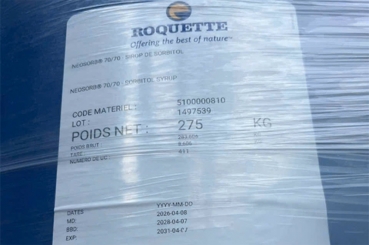
BHT (Butylated Hydroxytoluene, food additive E321) is an antioxidant found in cooking oils, instant noodles, snacks, animal feed and many cosmetics. This article explains what BHT is, how it works, whether it is harmful, its regulatory limits and how it compares with BHA, TBHQ and vitamin E.
Contents
BHT stands for Butylated Hydroxytoluene (2,6-di-tert-butyl-4-methylphenol), a synthetic phenolic compound with strong antioxidant activity. Its food additive code is INS 321 (E321).
BHT slows the rancidity of fats and fatty foods, preserving taste, color and shelf life. Beyond food, it is used in animal feed, cosmetics, pharmaceuticals, rubber, plastics and fuels.
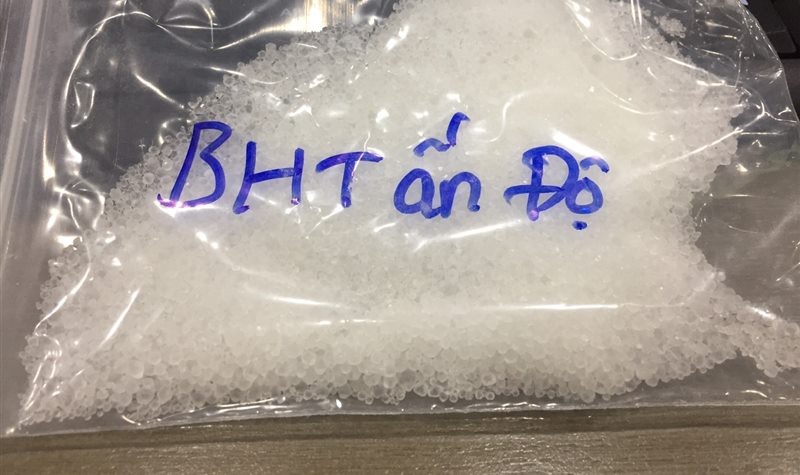
| Names | Butylated Hydroxytoluene (BHT), Dibutylhydroxytoluene |
| Additive code | INS 321 / E321 |
| Formula | C₁₅H₂₄O |
| CAS No. | 128-37-0 |
| Appearance | White crystals or powder, odorless or faint odor |
| Solubility | Soluble in fats, oils and alcohol; insoluble in water |
| Melting point | About 70°C |
Because it dissolves in fat but not in water, BHT works only in the fat phase of a product.
Fats turn rancid through a chain reaction: oxygen attacks fatty acids and creates free radicals, which attack more fat molecules and produce off-odors and off-flavors. BHT donates a hydrogen atom to the free radical and breaks the chain, so the product keeps its flavor longer.
BHT slows rancidity but cannot reverse it, so it should be added while the oil is still fresh. It is often combined with citric acid, a synergist that binds metal ions catalyzing oxidation.
On labels BHT may appear as "BHT", "E321", "INS 321" or "antioxidant (321)".
In cosmetics (INCI name: BHT) it protects oils, waxes, essential oils and vitamins in creams, lipsticks, sunscreens and makeup from turning rancid or changing color and odor. It is used in very small amounts, usually below 0.1% of the formula. BHT is not a skincare active; it protects the product itself.
Bottom line: BHT is not harmful when used within regulatory limits. Risks arise only from overdosing or misuse.
| Area | Reference limit | Notes |
| Edible fats and oils | 200 mg/kg (Codex) | Vietnam applies its list under Circular 24/2019/TT-BYT |
| Food in the US | Total antioxidants max 0.02% of fat content | FDA, 21 CFR 172.115 |
| Animal feed | Max 150 mg/kg complete feed | EU, combined with BHA and ethoxyquin |
| Cosmetics | Mouthwash 0.001%; toothpaste 0.1%; other products 0.8% | EU cosmetics rules |
Reference only; check current rules for each product and export market.
| Criteria | BHT (E321) | BHA (E320) | TBHQ (E319) |
| Origin | Synthetic | Synthetic | Synthetic |
| Most effective in | Animal fats, feed, cosmetics | Animal fats, essential oils, baked goods | Vegetable oils, frying oils |
| Frying stability | Medium | Fair | Best |
| IARC classification | Group 3 | Group 2B | Not classified |
| Cost | Low | Higher than BHT | Medium |
BHT and BHA are often used together because they reinforce each other. Vitamin E (tocopherols) is the natural choice for clean-label products but is weaker and much more expensive.
BHT (Butylated Hydroxytoluene, E321) is a synthetic, oil-soluble antioxidant used to prevent rancidity in food, feed and cosmetics.
Both are synthetic phenolic antioxidants. BHA is Butylated Hydroxyanisole (E320), BHT is Butylated Hydroxytoluene (E321). They are often used together.
Within permitted limits BHT is assessed as safe by international bodies. IARC places it in Group 3, with insufficient evidence of carcinogenicity in humans.
Yes, below the limits (e.g. 0.8% for most products under EU rules). In practice cosmetics usually contain less than 0.1%.
Some instant noodles and fried snacks use BHT or TBHQ to protect the frying oil. Check the ingredient list for E321 or 321.
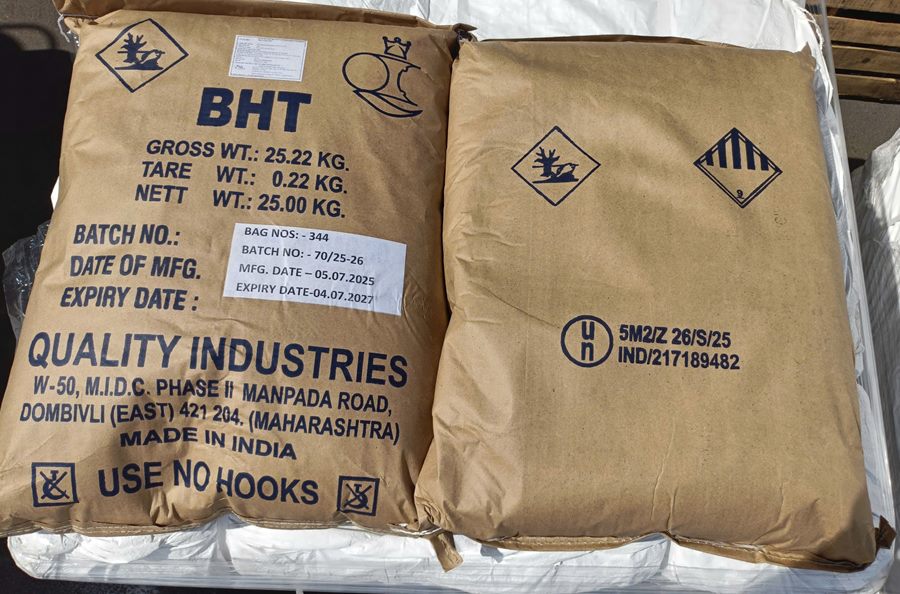
Vinh Nam Anh imports BHT E321 from India in 25kg bags, with a COA for every batch and stock in Ho Chi Minh City.
BHT (E321) is a long-established, inexpensive and effective synthetic antioxidant that keeps fats and fatty products from turning rancid. Used within limits, it is assessed as safe. Choose the right antioxidant (BHT, BHA, TBHQ or vitamin E) for each product, dose correctly and combine with citric acid for best results.
For advice or a quotation: Phone: +84 916 348 319 (Hotline) – +84 919 122 123 (Ms. Hong) – Email sales-admin@vinhnamanh.com.vn.
References: JECFA (FAO/WHO); IARC Monographs; Codex GSFA; FDA 21 CFR 172.115; Circular 24/2019/TT-BYT.